If you’re planning to sell physical products online — candles, art prints, collectables, handmade crafts, anything that can be boxed up and posted — you’ll eventually hit the same question everyone hits: where should I actually sell this stuff? And the three platforms that always rise to the top are Shopify, Etsy, and WordPress.
They’re all great in their own ways. They’re also wildly different. So here’s an honest, no-nonsense breakdown of what each platform excels at, where it might hold you back, and the type of seller it’s actually built for.
Shopify: The “I Want My Own Shop” Platform

Shopify is the closest thing to having your own fully independent storefront without needing to code or build custom functionality (although both are certainly possible). It’s stable, well-designed, and takes away 95% of the usual ecommerce pains.
Where It Excels
Shopify handles payments, checkout, security, mobile optimisation, stock control, abandoned carts, gift cards, customer accounts — all out of the box. The available store themes are professional, the app marketplace is enormous, and the whole system is built specifically for selling physical goods. If you’re a small business with ambitions beyond hobby level, Shopify is usually the safest bet.
Things to Consider
It’s not the cheapest. You pay a monthly fee, and many apps come with subscription costs. If you’re a hobby business, you might consider Etsy as a starter for ten before migrating later (and run both side by side with integration).
It’s also not ideal for long-form content, complex blogs, or anything too bespoke — it can do it, but WordPress is better suited to the content side of things.
Best For
Growing businesses, brand-focused shops, people who want a polished experience, and anyone who would rather pay for convenience than wrestle with tech.
Bonus Tip
Shopify have an unrivalled suite of awesome free tools you can use to get your business up and running. Definitely worth a look!
Etsy: The “I Want an Audience Right Now” Platform
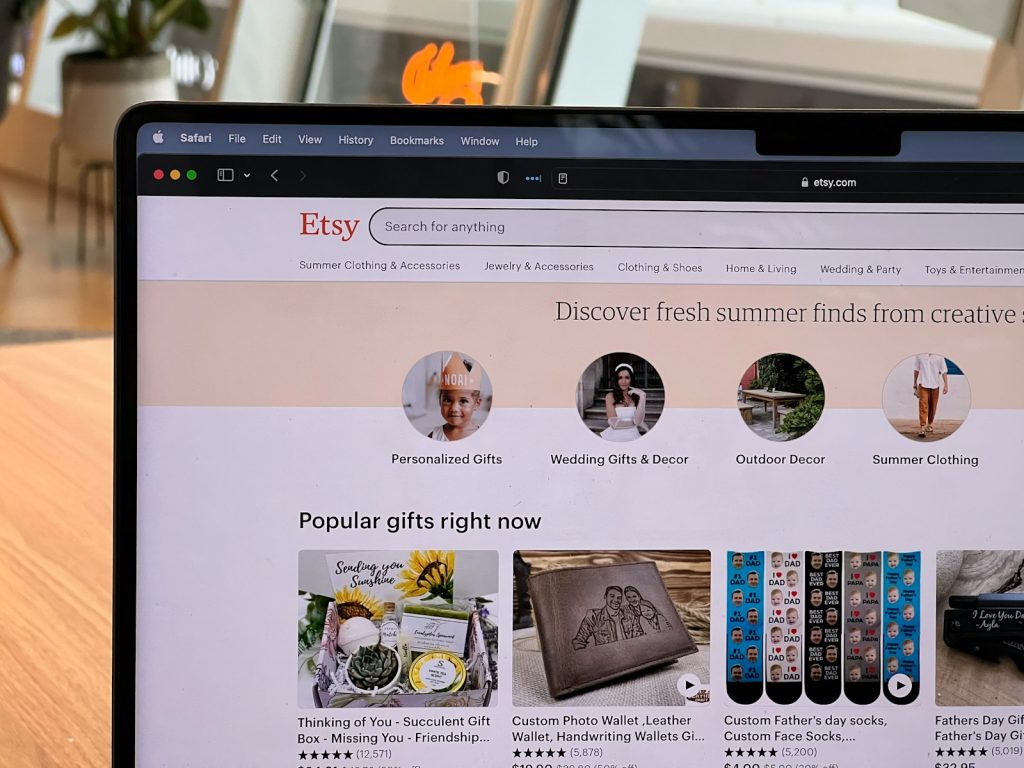
Etsy isn’t really a shop — it’s a marketplace. Think of it like a giant craft fair crossed with a search engine. You don’t need to bring the customers; the customers are already there.
Where It Excels
You can start selling in an afternoon. No hosting, no setup, no plugins — just list your items and crack on. Etsy also provides built-in traffic, which is incredibly valuable if you’re just starting out and don’t have an audience yet.
Things to Consider
Fees. Fees everywhere. Listing fees, transaction fees, advertising fees, plus a mandatory “offsite ads” programme where Etsy can advertise your product on Google and charge you extra for the privilege. You’re also fighting inside a huge marketplace with similar sellers, which means brand loyalty is low.
Etsy is brilliant for dipping your toe in, but long-term it becomes limiting. You’re renting space, not building a brand.
Best For
Hobby sellers, early-stage makers, people testing an idea, and anyone who wants sales before they have a full brand.
Bonus Tip
WordPress: The “Custom Everything” Platform
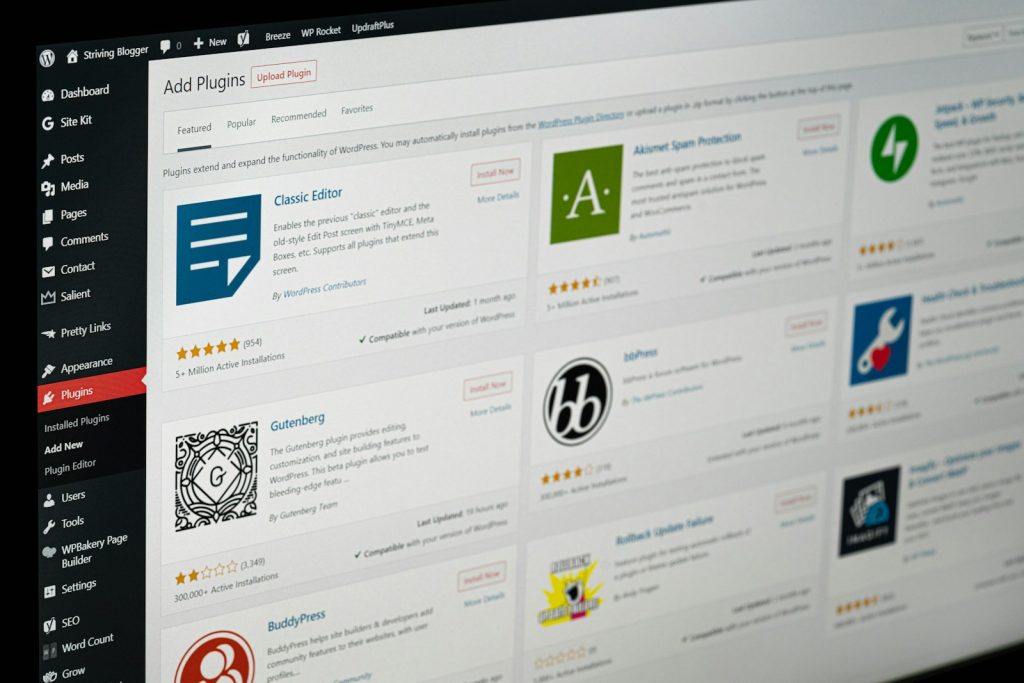
WordPress is the most flexible option by a long way. With WooCommerce, you can build almost any kind of shop you want, especially if you like the freedom of controlling your own hosting, your own theme, and your own ecosystem (or have an expert host it for you – shameless plug).
Where It Excels
Customisation. You can control every template, every pixel, every feature. WordPress is also unbeatable for content — blogs, guides, landing pages, SEO structures — making it perfect for content-led selling.
Things to Consider
You are responsible for everything: security, hosting, backups, uptime, caching, theme quality, plugin conflicts, checkout flows, payment gateways… You get control, but you also inherit the admin load. For beginners, this can feel overwhelming unless someone sets up a clean, stable foundation for you. Trusted web hosts like FastHosts here in the UK also offer managed WordPress packages that do a lot of this heavy-lifting for you.
Best For
Businesses that need deep customisation, content-heavy brands, or anyone already comfortable with web hosting.
Bonus Tip
Which One is Right For You?
If you’re selling handmade candles, jewellery, collectables, artwork, clothing — anything physical that needs a solid home — here’s the simple version:
- Pick Shopify if you want a clean, stable, brand-focused shop you control.
- Pick Etsy if you want quick exposure and easy sales without building a full site.
- Pick WordPress if you want complete creative control and don’t mind running the technical side.
A lot of small makers eventually run both Shopify and Etsy: Etsy for discovery, Shopify as the home base. That combo works beautifully.
And if you’re planning your first store and not sure which direction to go, drop me a message — this is exactly the kind of puzzle I help people solve.