For those who use AI to generate images, there’s been quite a flurry of activity lately. Google recently unveiled Gemini 3 and its Nano Banana capabilities, and just this week OpenAI unveiled Images 1.5, its latest ChatGPT image model.
I enjoy playing around with AI image generation, but as an old-school Photoshop and GIMP kid, it’s not something I rely on. But it was playing around with both this week that opened my eyes to a unique problem for those that do rely on AI image generation day-to-day.
Now, before we go any further, let me make something clear. I am a huge Theme Park geek. Huge. I love theme parks, always have, and I love everything from the thrill of being in one, to the technical, engineering brilliance that makes them work. I mention this because Theme Parks own a unique category of art – concept images.
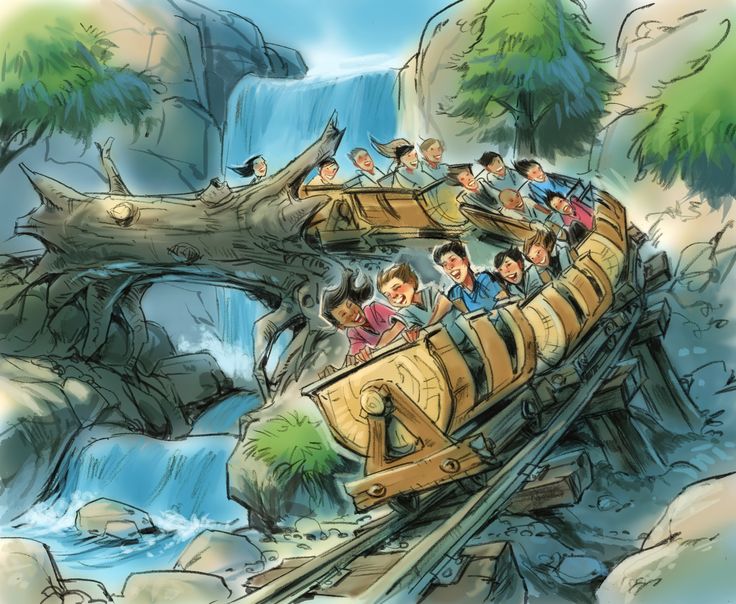
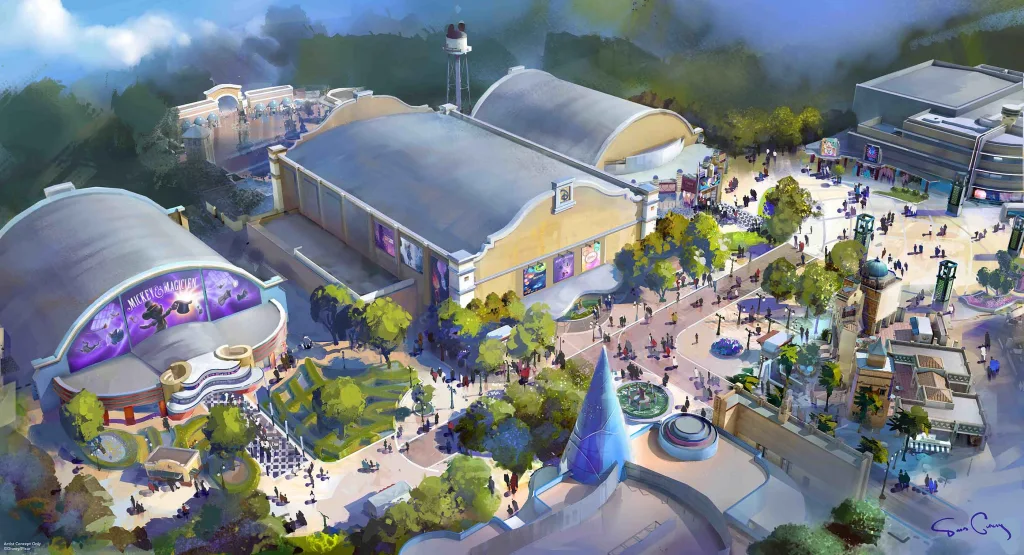
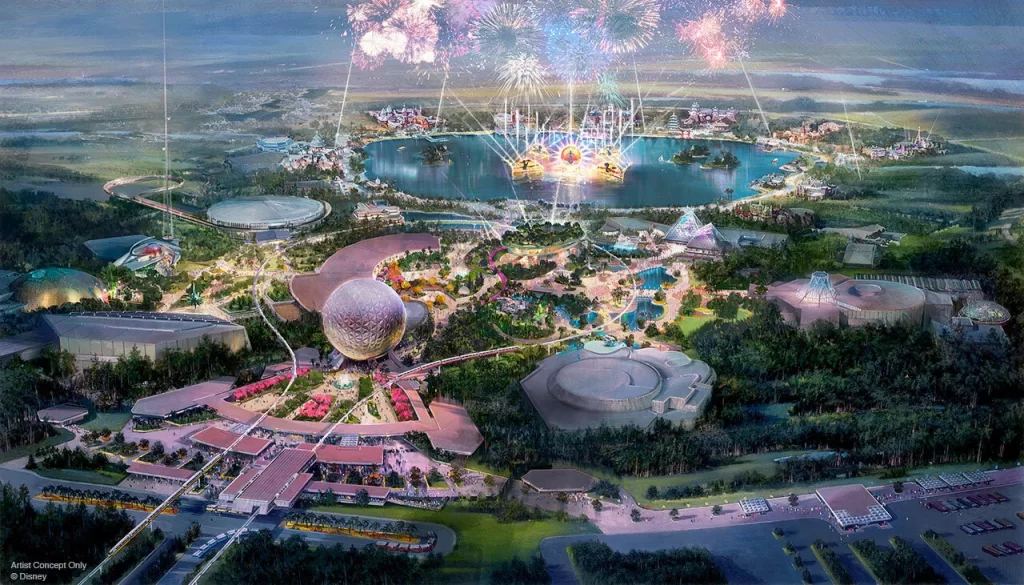
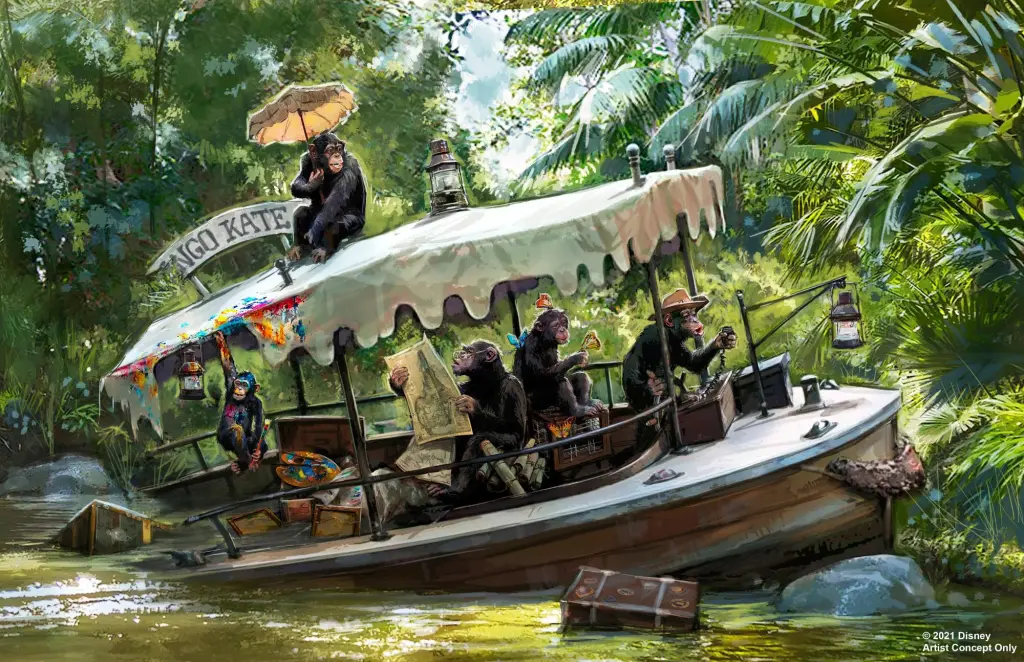
Before an attraction is built, artist concepts are rendered. The amazing teams over at Walt Disney Imagineering are particularly good at this, and you can see some examples below:
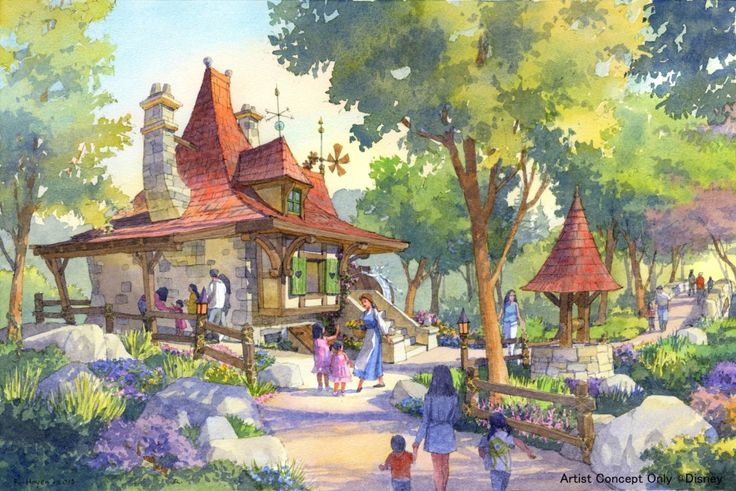
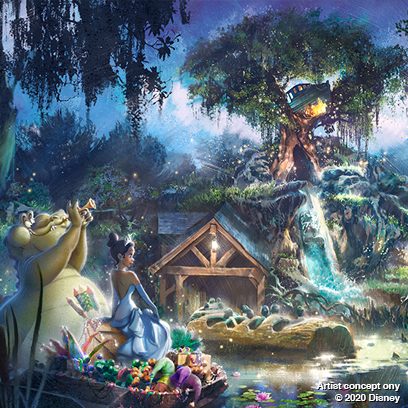
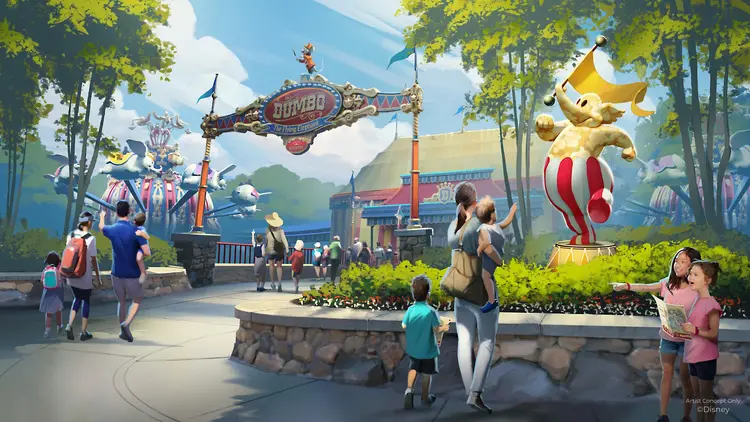
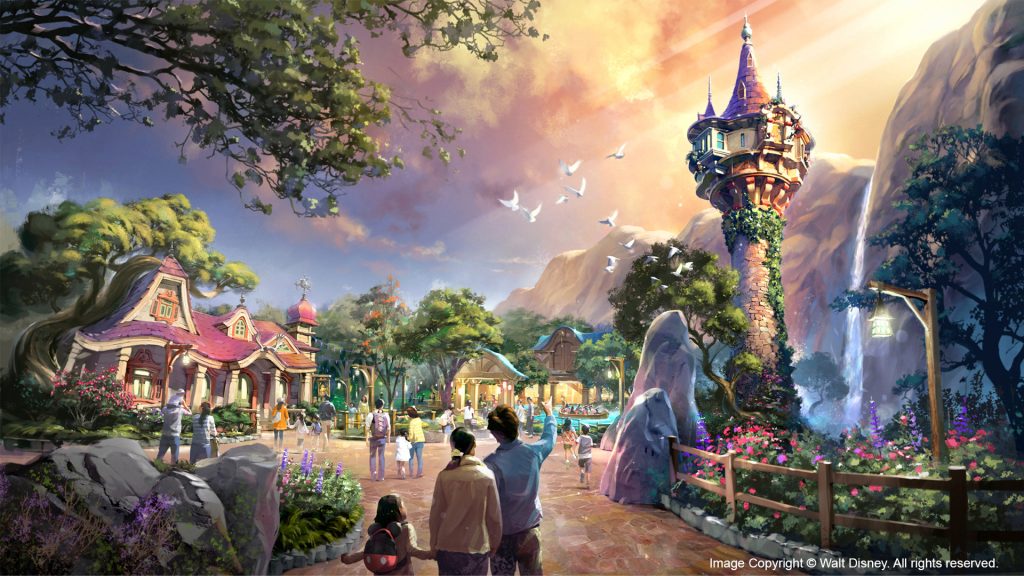
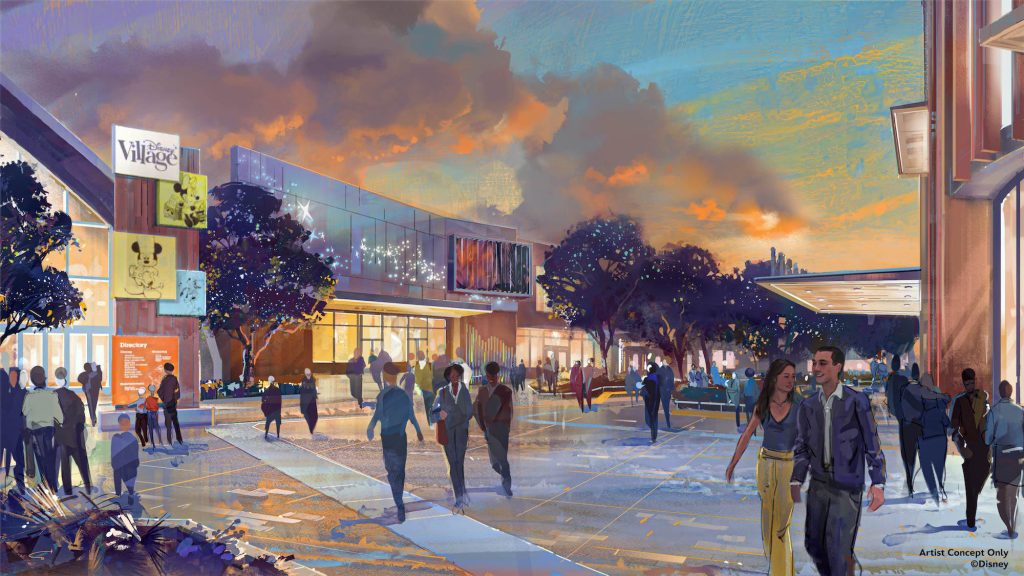
Even if Theme Parks aren’t your thing, hopefully you agree that the art that is produced for them is beautiful. It was with this belief that I found myself randomly lost in thought earlier this week.
A few years back, Disney announced that it would be building a Mary Poppins attraction at the UK Pavilion inside Epcot’s World Showcase. Plans for this seem to have quietly died (unfortunately), so I was wondering what a small, off-the-shelf addition to the pavilion might look like.
After asking Google Gemini that very question, it produced this:
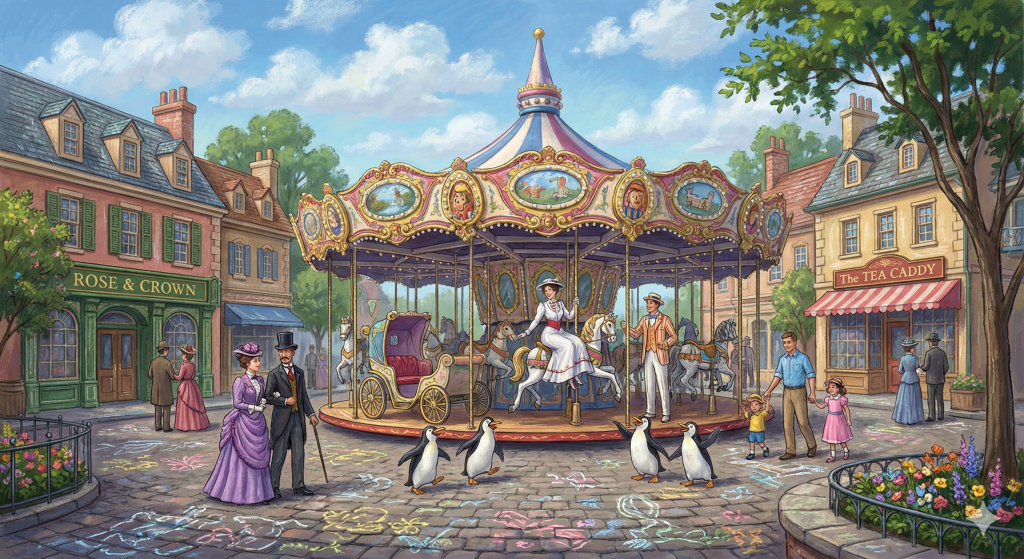
At first I was blown away. Gemini had correctly:
- Taken my ‘off-the-shelf’ attraction instruction, and had translated that believably into a Carousel addition.
- Populated the scene with Mary Poppins characters, references, and period-pieces, just like the best Disney concept art.
- Translated the Disney concept art style very well, and had done some nice placemaking to add to the aesthetic.
Theme Park lover me was excited, but then, technical me took another look:
- The Carousel looks beautiful, but there’s no queue structure, no guard-rails, and the size of the ride is far too small for a high-capacity Park like Epcot.
- Whilst the facades of the buildings have some accuracy in terms of naming/placemaking, the UK Pavilion layout is not represented at all accurately.
So, I hit upon a problem that was new to me but a daily struggle to many: AI image generation is beautiful, but often nonsense.
Attempt #2, then #3… Any Advance on #25?
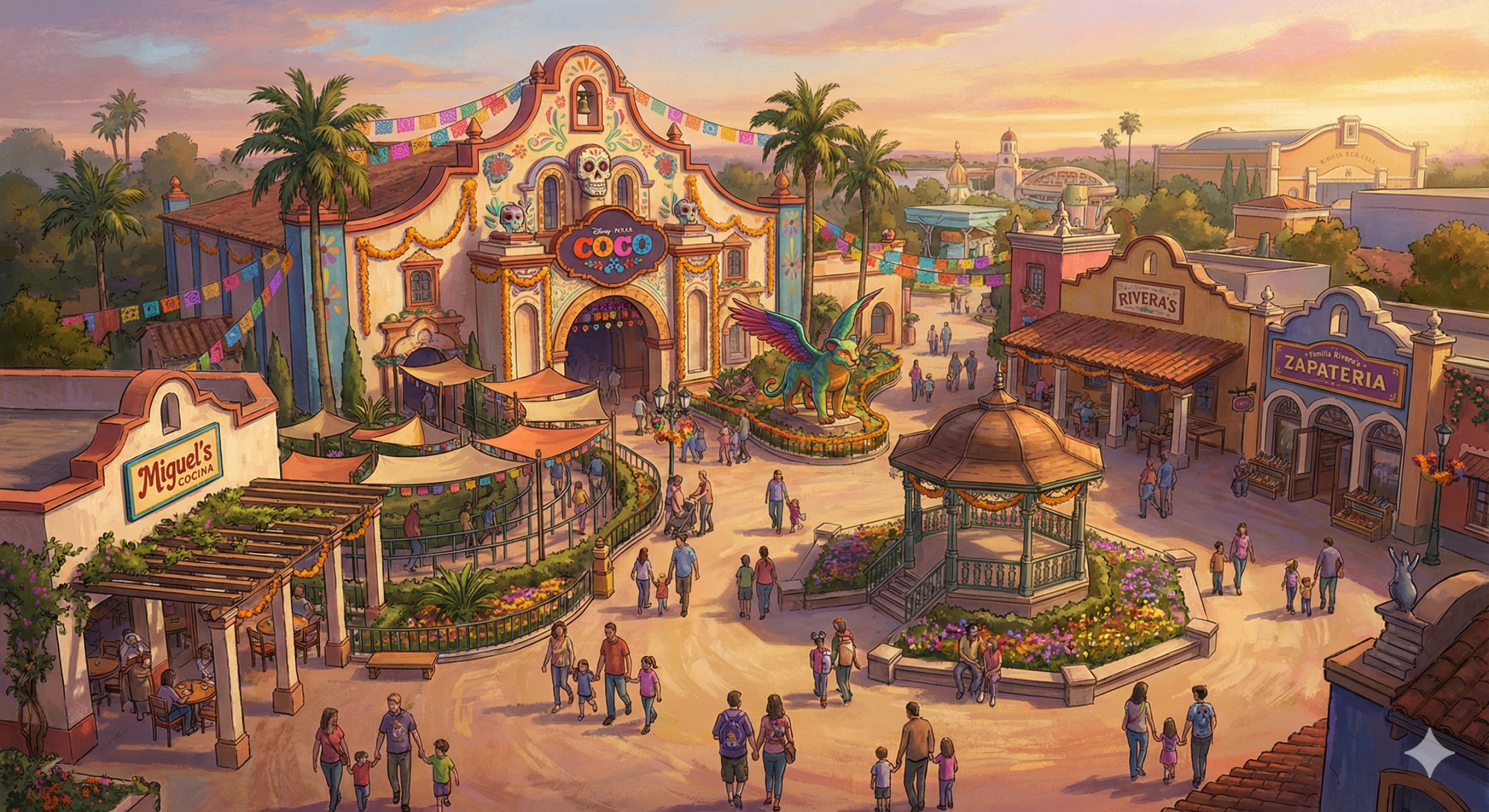
Unaware at this point of the scale of this struggle (more on that a little later), I decided to take another stab at it, and asked Google Gemini to render an image of the exterior of a Coco-themed indoor water attraction for the Walt Disney Studios Park at the Disneyland Paris Resort:
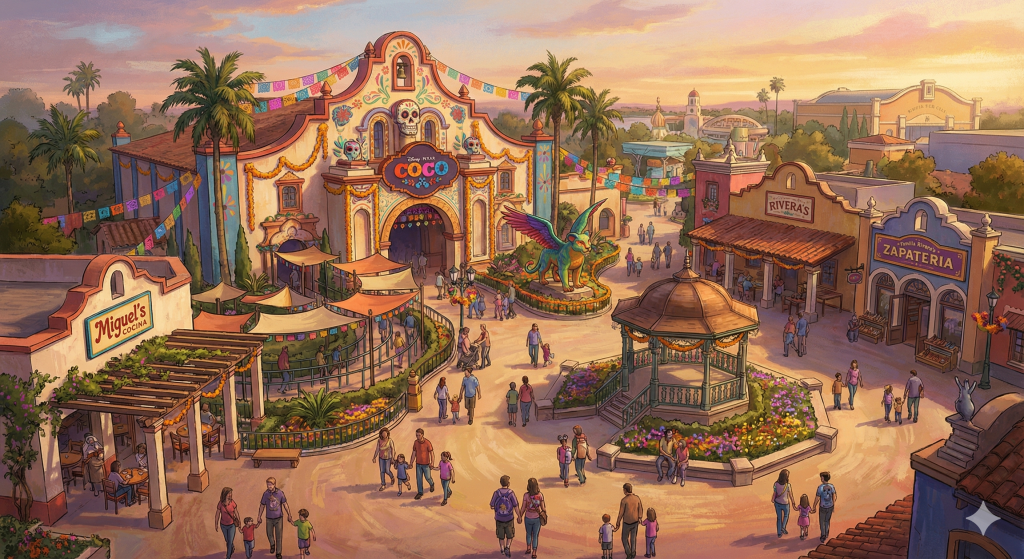
I mean, wow. Not only had Gemini produced a beautiful piece of concept art, it had added placemaking around the attraction entrance, a thematically appropriate queue structure, and accurate representations of the Coco movie woven in to the land’s narrative.
It had even accurately placed the attraction within the layout of the Park, with Studio One in the distance… Ah, okay, technical me again. Whilst I appreciated the Studio One placement, a couple of issues became apparent:
- Next to Studio One is a building that does not exist within the Park.
- Given Gemini’s placement of the attraction, Crush’s Coaster should be behind the Coco ride, and would be very clearly visible given its size. The Aladdin spinner ride, Les Tapis Volants – Flying Carpets Over Agrabah, would also be clearly visible.
- The Coco attraction show building is far too small (although I can forgive this as Disney concept art often downplays support infrastructure size – (translation: the bits we’re not meant to see).
- Toy Story Playland and the Ratatouille-themed land in existence at the Park today have been ignored (and the Coco ride would, spatially, sit right on top of them).
I highlighted the layout and spacing issues to Gemini, and asked it to try again:
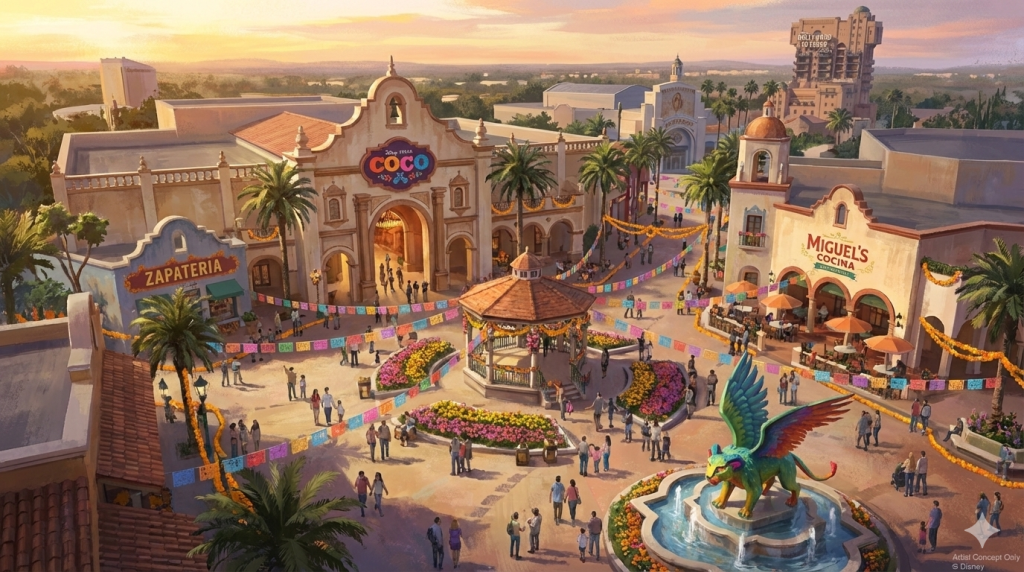
Again, this is a beautiful rendering (and I loved the Disney-style ‘Artist Concept Only’) label in the bottom-right. At a glance, the placement of the Hollywood Tower Hotel in the background is pretty spot on. However, Studio One is gone, replaced by buildings that don’t exist within the Park. And the vaguely hotel-looking structure in the back left is sat where the real Disneyland Hotel should be (and hint, it looks nothing like that).
You might be tempted to think I’m nit-picking at inconsequential detail, but I’m really not. Seasoned Disney Park nerds like myself would spot this problem straight-away, and it’s also indicative of a wider issue in AI cognition. Translate the problem to any field – architecture, urban planning, interior design, and a common thread emerges: visual plausibility without spatial truth.
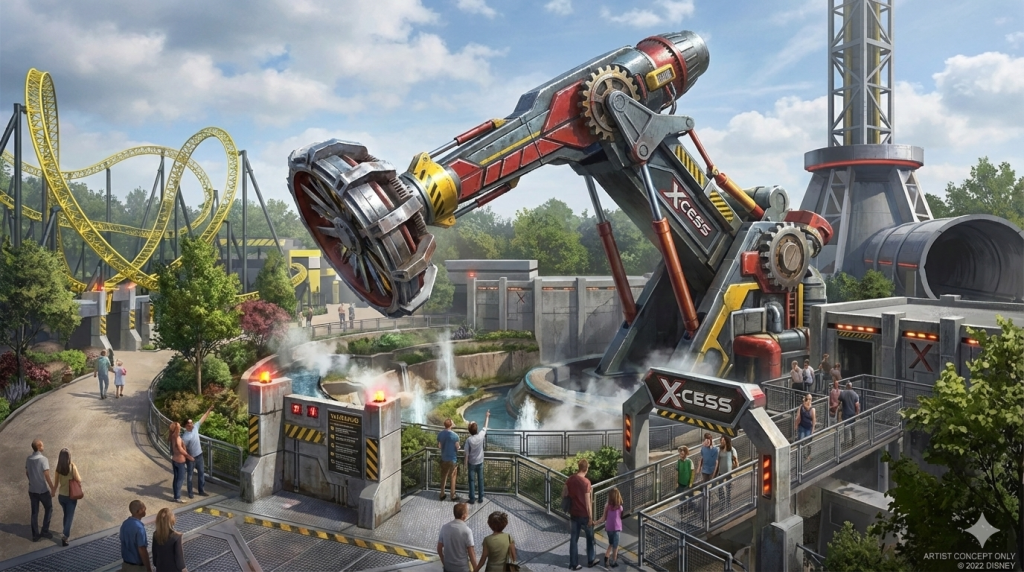
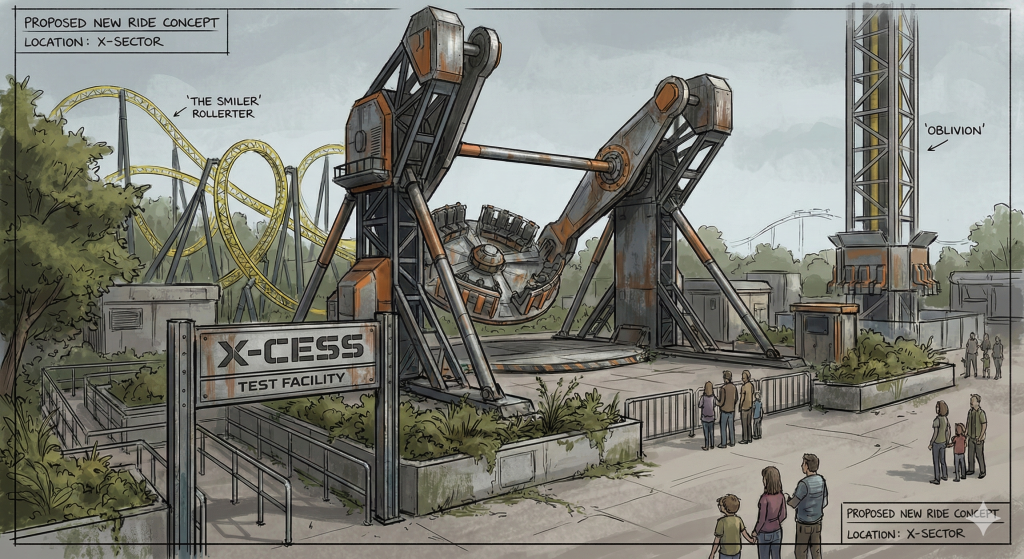
My Kingdom for a Gem
I’d quickly ruled out ChatGPT’s Image 1.5 for my theme park concept art experimentation (its copyright filter flagged far too often). So settling on Gemini as my tool of choice, I decided I might be able to get around some of the problem with a gem.
For the uninitiated, gems are akin to custom GPTs, a version of Gemini with its own special set of instructions. I created a ‘Concept Art Gem’, and loaded it with instructions (e.g. rides must be structurally realistic, styled like existing theme park concept art etc.), and even loaded the gem with a number of real concept art pieces as references.
For my first test, I asked Gemini to visualize a (long rumoured) ‘Inside Out’ makeover of Epcot’s Imagination Pavilion, whilst subtly including Figment*, the purple dragon mascot of the attraction.
*Figment
*The story and history of Figment is a fascinating one we don’t have time for. Fun fact though, I have a Figment plush on my work desk!
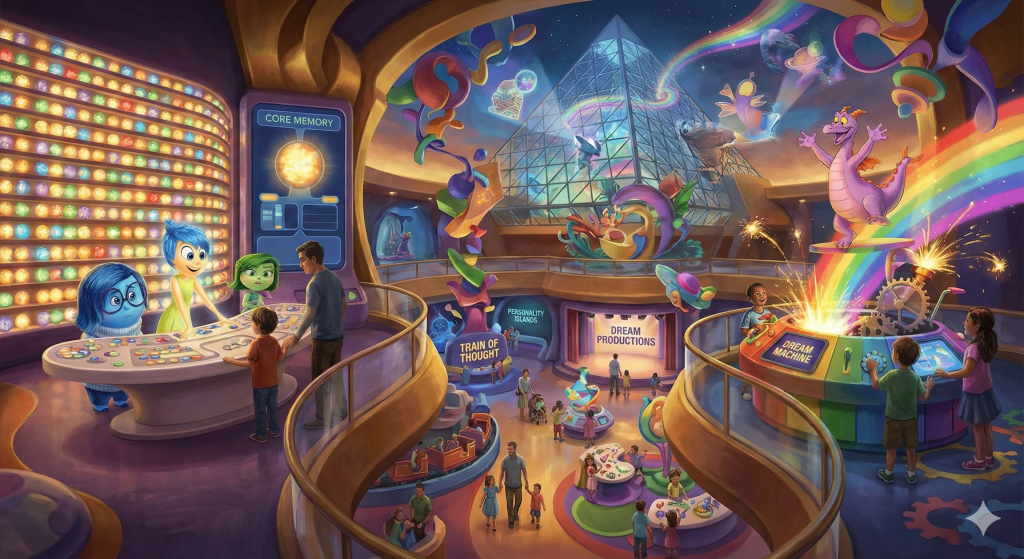
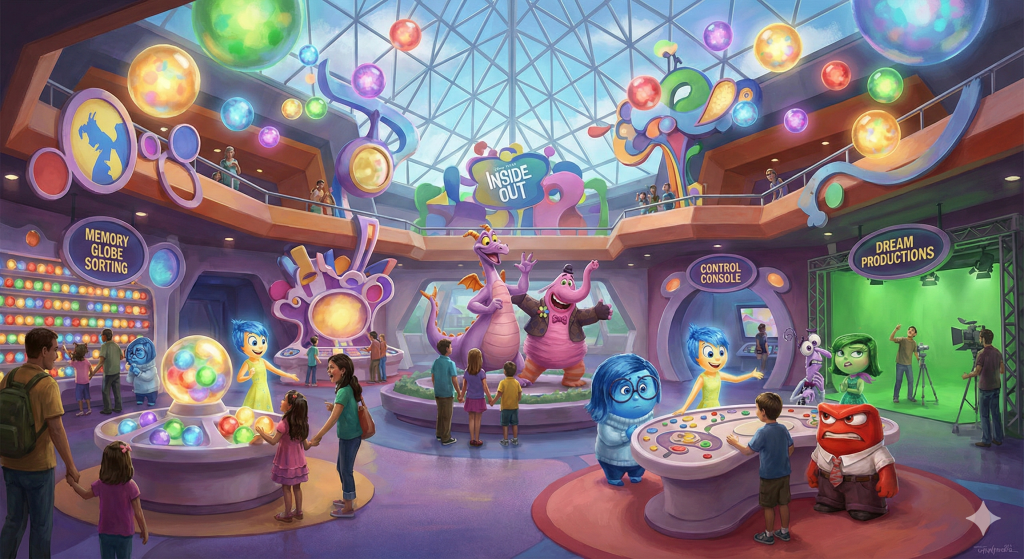
In the first image above, a very believable makeover of the pavilion is rendered (from a Disney concept art point of view). But you need only look up to notice that we enter the realms of engineering unlikelihood with the roof.
I asked Gemini to try again, giving it additional instruction to reinforce realism. It got that largely right in the second image, but no matter how hard I tried, multiples of the same character kept appearing, breaking the style.
It seemed that Gemini could do either style or realism, not both. So I tweaked and tweaked, and even got some passable results.
Maxing out the instructions for my ‘Concept Art Generator’ gem (worth checking out Gemini’s gem feature if you haven’t already), and feeding it with style examples, rules around spatial and environmental considerations, I got some hopeful improvements:
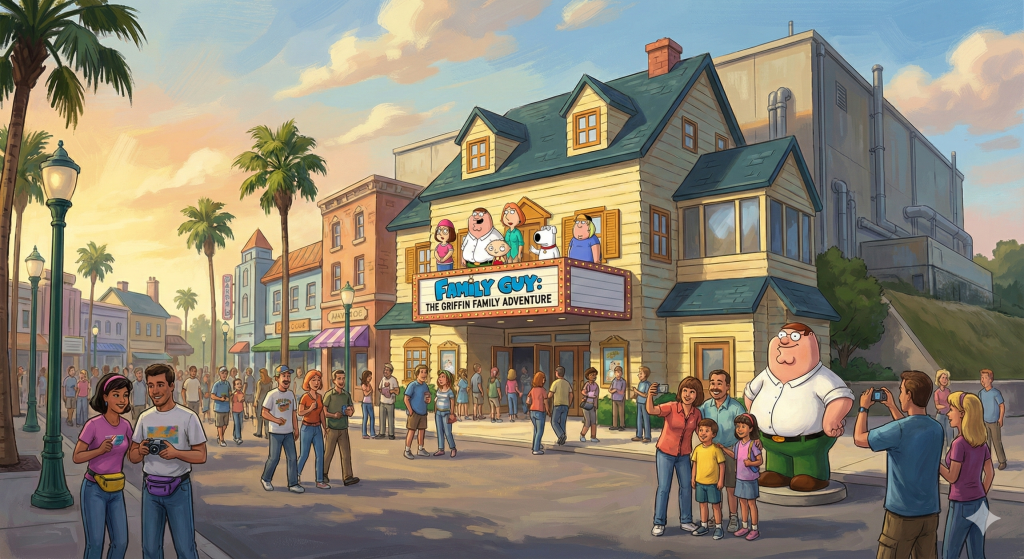
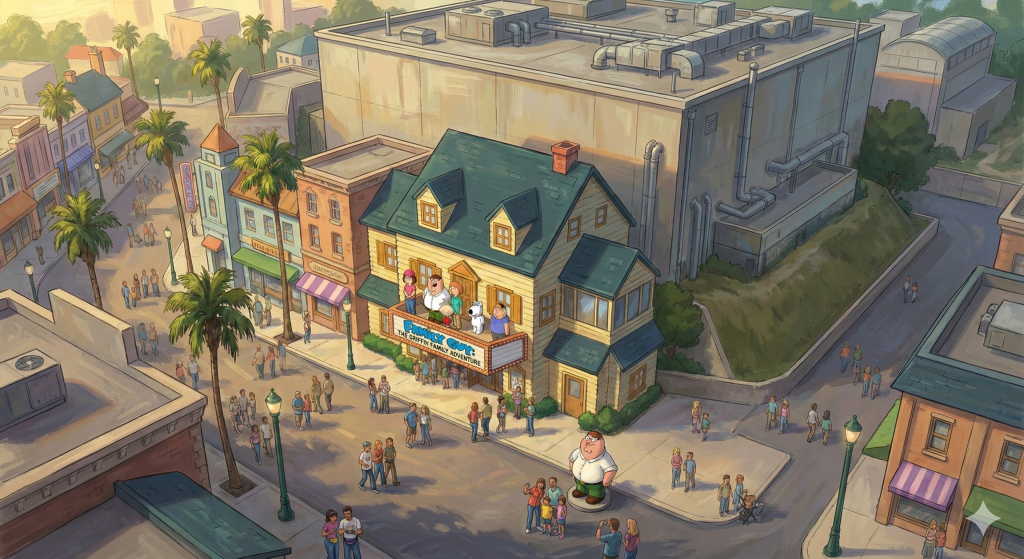
I was impressed. However, translating the context of the exterior concepts into interior concepts for the attraction are where the wheels came off:
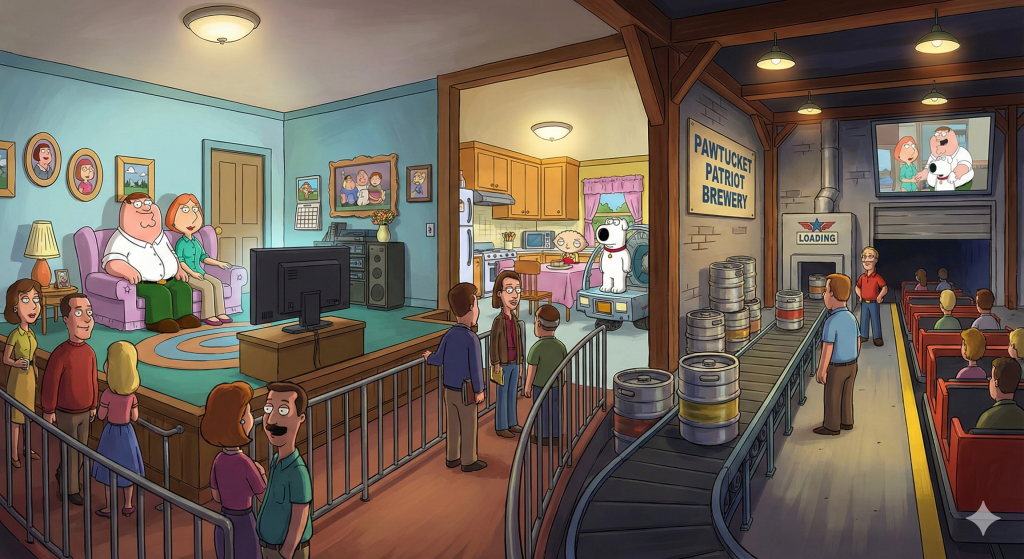
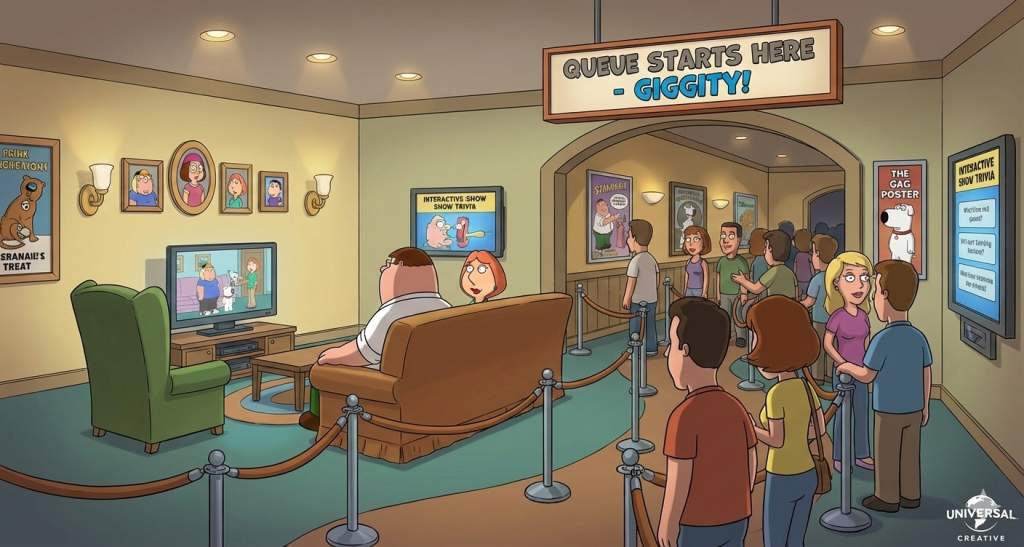
The key components are there (which made me sad that this didn’t work better), however, despite repeated detailed instruction Gemini couldn’t separate the Family Guy animation style from the guests it had rendered in the queue. Again, I faced a trade-off of believability vs. style consistency.
Further Reading
None of these experiments were designed to change the world, and despite the inconsistency problem I just enjoy looking at concepts in this style more than anything. The problems I noticed have been documented by others however, so if you find AI consistency and image generation interesting, take a look: